Clinical Perspectives on Diagnosing
and Managing Type 1 Gaucher Disease
in Female Patients
In this video, Dr. Eliana Fine explores the clinical considerations of type 1 Gaucher Disease (GD1) in females across different stages of life including: adolescents, women of reproductive age, menopause and beyond. She highlights the pathophysiology and typical clinical manifestations at each life stage, followed by clinical recommendations for each age category and the clinical evidence supporting treatment with VPRIV.
Disease Education
18 mins 21 sec

Introduction
01:25
1 min 44 sec

Childhood and Adolescence
03:09
3 min 37 sec

Family Planning
06:47
4 min 52 sec

Pregnancy
11:40
2 min 24 sec

Birth, Postpartum & Lactation
14:05
3 min 30 sec

Menopause & Cancer
17:36
2 min 14 sec
Treatment with VPRIV
8 mins 53 sec

Treatment with VPRIV
19:57
8 min 53 sec
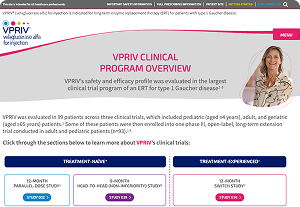
Hello. My name is Dr. Eliana Fine, I am an obstetrician and gynecologist dedicated to providing compassionate, comprehensive women's healthcare. I earned my medical degree from the Renaissance School of Medicine at Stony Brook University through an accelerated three-year MD program. I completed my residency training at Stony Brook University Hospital and Jersey Shore University Medical Center. I am a co-founder of the Jewish Orthodox Women's Medical Association, or JOWMA, and am deeply committed to advancing women's health education and patient advocacy. As a physician and a mother of two, I bring both clinical expertise and personal perspective to my work. Consider a young woman who endures persistent fatigue, easy bruising, and heavy menstrual bleeding—often having her concerns overlooked for years. Sadly, this is a common narrative for many living with type 1 Gaucher disease. In this video, we will be focusing on women’s health and discussing type 1 Gaucher disease across the different stages of a woman’s life. We understand that being a woman means something different to everyone. For the purposes of this video, the term ‘woman’ is used to mean women, girls, and those with the potential to menstruate. Type 1 Gaucher disease is a rare, progressive, inherited disorder caused by deficient glucocerebrosidase activity. As the most common lysosomal storage disease, it affects 1–9 in 100,000 people globally. However, it is the most prevalent in the Ashkenazi Jewish community, where 1 in 600 are affected and 1 in 17 are carriers. Gaucher disease is a multi-systemic and progressive disease. We see onset of symptoms from early childhood to later in adulthood, with signs and symptoms varying widely between individuals. Common signs and symptoms include a low hemoglobin level, low platelet count, an enlarged spleen, and an enlarged liver. Although type 1 Gaucher disease affects males and females equally, in women, signs and symptoms can interfere with important reproductive milestones including puberty, pregnancy, the postpartum period, and menopause. As clinicians, we need to be particularly aware of these transitions in women with Gaucher disease to ensure we provide the best possible care. Currently, there are two international guidelines focused specifically on women with type 1 Gaucher disease. These include guidance from the International Working Group on Gaucher Disease, or the IWGGD, and a Spanish Consensus developed by nine Gaucher experts. In this presentation, we will highlight which clinical considerations come directly from these guidelines, and which are informed by broader evidence and expert literature. Type 1 Gaucher disease can affect growth and development in children and can also delay puberty in adolescents. We see this delay in puberty more commonly in patients with more severe disease. In girls specifically, this may present as delayed menarche compared with unaffected family members and the general population. Despite this delay, sexual maturity is ultimately reached and there is no evidence of decreased fertility. Looking at the impact on puberty and menstrual health, heavy menstrual bleeding has been reported in up to 73% of female patients with type 1 Gaucher disease. This is usually linked to low platelet count, platelet dysfunction, or coagulation abnormalities, rather than disease severity. In Ashkenazi Jewish patients, an additional contributing factor may be factor XI deficiency. In some patients, the heavy menstrual bleeding may worsen pre-existing anemia. Iron supplementation or, in some cases, antifibrinolytic therapy may be necessary. Even with heavier bleeding, the average duration of menstruation remains within normal limits. Oral contraceptives are considered an effective option for menstrual regulation in adolescents with type 1 Gaucher. The International Working Group on Gaucher Disease considers it good practice for you to discuss the advantages and disadvantages of different contraceptive options with pubertal women with Gaucher disease. Special consideration must be given to the psychosocial sphere in children and adolescents with Gaucher. For both males and females, growth delay and late puberty can affect body image and social functioning. This may lead to psychosexual challenges and low self-esteem. These issues can be further compounded by bone signs and symptoms, which may limit participation in common physical activities. Chronic pain can also negatively affect school performance. Early diagnosis of type 1 Gaucher disease, before irreversible complications develop, is key in supporting long-term outcomes. As Gaucher disease shows wide clinical variability, disease progression cannot be reliably predicted based on genetic mutation alone. For this reason, consider regular monitoring of symptomatic pediatric patients to identify visceral, hematologic, and bone involvement at an early stage. The International Working Group on Gaucher Disease also suggests including menstrual history as part of routine Gaucher clinic visits. Starting treatment with enzyme replacement therapy (ERT) immediately, or as soon as possible after diagnosis, is key for children and adolescents with symptomatic type 1 Gaucher disease. Early intervention plays an important role in maximizing treatment response. It can be challenging to determine if a patient is truly asymptomatic. Some patients without obvious disease features may still have signs and symptoms, such as thrombocytopenia, an enlarged spleen, or osteopenia, which may warrant treatment. We should evaluate all patients to establish baseline values and monitor regularly to assess disease progression. When your patients approach you to discuss family planning, it is important to communicate that pregnancy is not discouraged for women with type 1 Gaucher disease, unless there are clear contraindications. These include conditions such as moderate to severe pulmonary hypertension. When discussing pregnancy with your patients, inform them about the potential two-way effects of pregnancy and type 1 Gaucher disease. This includes how pregnancy may affect the disease, and how the disease may affect pregnancy outcomes. Possible complications, such as bone crises, should also be discussed. The International Working Group on Gaucher Disease considers that pregnancy in women with type 1 Gaucher disease should be planned and discussed in advance with the treating physician, regardless of disease severity. The Spanish Consensus further considers that a comprehensive clinical assessment should be carried out three to six months before a planned pregnancy. This allows time to correct or stabilize type 1 Gaucher disease-related issues prior to conception. Alongside routine monitoring, assessments should include bone mineral density testing, such as a dual-energy X-ray absorptiometry, or DXA, scan to evaluate osteopenia. An echocardiogram should also be performed to assess for pulmonary hypertension. For all women with Gaucher disease who are thinking about pregnancy, refer them to genetic counseling to support informed decisions. Both partners should undergo carrier testing, given Gaucher disease is inherited in an autosomal recessive pattern. In the Orthodox Jewish community, Dor Yeshorim is a commonly used premarital carrier screening program. However, it does not test for type 1 Gaucher disease, so you may want to recommend more comprehensive testing options to the patients in this population. If your patient’s case is higher risk, such as when one parent has a neuronopathic mutation or the other parent’s mutation status is unknown, prenatal diagnosis could be considered. Advances in reproductive genetics now include preimplantation genetic testing, or PGT. This approach utilizes in vitro fertilization, or IVF, to test embryos before implantation. It allows selection of unaffected embryos and may help prevent passing type 1 Gaucher disease on to offspring. In my clinical practice, I routinely counsel my patients on carrier screening, including screening for Gaucher disease. We discuss interpretation of the results and implications for reproductive planning. Ideally, I try to initiate the conversation prior to conception. I always discuss partner testing and reproductive options available for those that are found to be carriers. I encourage you to have these conversations with your patients too in an individualized manner. When women with type 1 Gaucher disease are planning a pregnancy, it is important to discuss whether treatment is needed or if changes to current therapy should be considered. Ongoing evaluation throughout pregnancy is recommended, including monitoring for signs and symptoms such as worsening thrombocytopenia with bleeding, bone crises, or pathological fractures. Both the International Working Group on Gaucher Disease and the Spanish Consensus provide treatment guidance for women with type 1 Gaucher disease based on their current treatment status. For women already receiving ERT, both groups recommend continuing ERT throughout pregnancy. The Spanish Consensus also notes that the dose should not be modified, at least during the first trimester. For untreated women with mild symptoms, the International Working Group on Gaucher Disease considers initiating ERT during pregnancy. The dose should be based on pre-pregnancy weight. The Spanish Consensus recommends to consider initiating ERT. For women who are asymptomatic, both the International Working Group on Gaucher Disease and the Spanish Consensus agree that there is no need to initiate ERT. For women receiving substrate reduction therapy, or SRT, both groups recommend switching to ERT before pregnancy. The Spanish Consensus recommends discontinuing SRT at least three months before conception. Pregnancy in women with type 1 Gaucher disease requires a multidisciplinary team to optimize both maternal and fetal outcomes. The International Working Group on Gaucher Disease suggests including a Gaucher specialist, obstetrician, and anesthesiologist. If bone disease is present or suspected, an orthopedic surgeon should also be involved. A hematology consult may be needed for patients with bleeding tendencies. The Spanish Consensus highlights that standard pregnancy care is not enough for women with type 1 Gaucher disease. They suggest a tailored program led by an expert multidisciplinary team. You may be a part of a multidisciplinary team that may include: a hematologist, an anesthesiologist, an orthopedic surgeon, a Gaucher disease specialist, an OB-GYN or Maternal Fetal Medicine physician. Pregnancy in women with type 1 Gaucher disease requires close monitoring. Comorbidities, nutritional status, and potential worsening of organ enlargement, bone disease, or blood abnormalities should be assessed throughout pregnancy. This helps guide clinical decisions and therapeutic adjustments. Existing symptoms, such as anemia and low platelet count, may worsen during pregnancy, and new symptoms can develop. This can increase the risk of complications, including bleeding. An enlarged liver or spleen may affect fetal growth and increase the risk of injury during labor. Bone disease is a particular concern. There may be a risk of bone crisis, osteopenia, osteonecrosis, or fractures. Women with type 1 Gaucher disease are at higher risk of nutritional deficiencies during pregnancy. Assessment of vitamin D and calcium once in each trimester should be considered to support bone health. Supplementation should be provided as needed. Folic acid supplementation is standard in pregnancy. Consider checking vitamin B12 levels to avoid masking deficiency. In my experience, when a patient comes to me to discuss if they are a good candidate for a home birth, I always review the risks and benefits of delivering at home versus in a medical center. I discuss the risk of postpartum hemorrhage and strongly recommend those that are high risk for hemorrhage, such as those that have Gaucher disease, deliver in a setting where blood products and platelets are immediately available. I encourage you to have these discussions with your patients so they can make informed medical decisions. Your patient’s birth plan should outline their preferred mode of delivery, delivery location, and pain relief options. It should also note any physical limitations that could affect delivery such as hip prostheses that limit hip rotation. When possible, vaginal delivery is preferred over cesarean birth. This approach avoids the risks linked to invasive procedures and may reduce bleeding complications. Cesarean delivery should be reserved for standard obstetric indications or when needed because of pelvic deformities. For women with type 1 Gaucher disease, delivery in a medical center with immediate access to blood products is encouraged given the potential increased risk of postpartum hemorrhage. For this reason, delivery at home, or at most birthing centers, would not be considered appropriate. Epidural pain relief is not contraindicated, provided the patient has no abnormalities in platelet count. We should ensure postpartum care for women with Gaucher disease is tailored to the individual. Factors to consider include the course of pregnancy, any comorbidities, and the type of delivery. After an uncomplicated vaginal delivery, standard postpartum care is usually sufficient, and local protocols should be followed. Inpatient monitoring for 24 to 48 hours may be considered for your patients who had complicated births. This allows for management of potential bleeding or other complications. Even in women receiving ERT, careful monitoring remains important. Postpartum hemorrhage and infection can still occur, so it is important to plan for bleeding management and antibiotic use. Close follow-up during the first six weeks is important for higher-risk patients, but all women with type 1 Gaucher should have a six-week postpartum review with their Gaucher specialist. This visit should focus on bone health and overall disease status. Ongoing follow-up should be individualized in collaboration with the treating physician. If your patient chooses to breastfeed, all medications should be reviewed to ensure they are compatible with breastfeeding. Monitoring should continue throughout the lactation period, particularly for bone-related complications, as 3 to 7 percent of women experience temporary bone density loss during breastfeeding. Breastfeeding may also be supplemented with formula, even in treated and stable patients, if the mother is at risk of worsening bone disease. If needed, breastfeeding may be limited to six months or supported with supplements based on calcium and vitamin D levels. Around the age of 50 years, women typically begin to lose bone density due to reduced estrogen levels during menopause. In women with type 1 Gaucher, menopause may occur earlier. The average age is between 46 and 49 years, compared with 51 to 52 years in the general population. Earlier menopause may speed up bone mineral loss. This increases the risk of osteopenia, osteoporosis, and fractures. All postmenopausal women with type 1 Gaucher disease should be monitored regularly with dual-energy X-ray absorptiometry, or DXA, scans. Adequate intake of dairy products should be encouraged. If signs of osteopenia are present, vitamin D and calcium supplements should be considered in addition to weight-bearing exercises. The International Working Group on Gaucher Disease emphasizes careful monitoring and management of osteopenia, osteoporosis, and vitamin D deficiency in this population. Your patient with Gaucher disease may want to use hormone replacement therapy. Use of hormone replacement therapy should be individualized and based on shared decision-making. Low-dose vaginal estrogen has a favorable safety profile. Systemic hormone therapy is highly effective for vasomotor symptoms and bone protection but carries potential risks, including venous thromboembolism and breast cancer, which vary by formulation, duration of use, and progestogen exposure. These risks should be discussed with patients as part of individualized counseling. Routine monitoring and screening for breast, ovarian, and uterine cancers should be based on age, individual risk factors, and family history. Although women with type 1 Gaucher have a higher risk of hematologic malignancies, breast, ovarian, and uterine cancers are not reported more frequently in this population. Indication. VPRIV, velaglucerase alfa, for injection is indicated for long-term enzyme-replacement therapy (ERT) for patients with type 1 Gaucher disease. Important safety information. Warning: hypersensitivity reactions including anaphylaxis. Patients treated with enzyme replacement therapies have experienced life-threatening hypersensitivity reactions, including anaphylaxis. Anaphylaxis has occurred during the early course of enzyme replacement therapy and after extended duration of therapy. Initiate VPRIV in a healthcare setting with appropriate medical monitoring and support measures, including access to cardiopulmonary resuscitation equipment. If a severe hypersensitivity reaction (e.g., anaphylaxis) occurs, discontinue VPRIV and immediately initiate appropriate medical treatment, including use of epinephrine. Inform patients of the symptoms of life-threatening hypersensitivity reactions, including anaphylaxis and to seek immediate medical care should symptoms occur. VPRIVʼs safety and efficacy were studied in the largest clinical trial program of an ERT for type 1 Gaucher disease. This program included three clinical trials and 99 patients aged 4 years and older. VPRIV was evaluated in 24 pediatric patients during clinical trials. These patients were aged 4 to 17 years and were enrolled in Study 044. VPRIV was also evaluated in 73 adult patients aged 18 years and older in Study 044. In addition, VPRIV was evaluated in 56 geriatric patients aged 65 years and older across all clinical studies. This group included 10 patients aged 75 years and older. VPRIV has real-world experience data available in more than 300 pregnancies. The real-world data have not identified an association with major birth defects, miscarriage, or adverse maternal or fetal outcomes. While available data cannot definitively establish or exclude the absence of a VPRIV-associated risk during pregnancy, these data have not identified an association with the use of VPRIV during pregnancy and major birth defects, miscarriage, or adverse maternal or fetal outcomes. At present, there are no data available on the presence of velaglucerase alfa in human milk. Reported cases from the pharmacovigilance database are insufficient to determine any effects on the breastfed infant or on milk production. Endogenous beta-glucocerebrosidase is present in human milk. The developmental and health benefits of breastfeeding should be considered along with the mother’s clinical need for VPRIV and any potential adverse effects on the breastfed child from VPRIV or from the underlying maternal condition. Early diagnosis and treatment is imperative for women with type 1 Gaucher disease. Let’s work together to make a difference. Indication. VPRIV, velaglucerase alfa, for injection is indicated for long-term enzyme-replacement therapy (ERT) for patients with type 1 Gaucher disease. Important safety information. Warning: hypersensitivity reactions including anaphylaxis. Patients treated with enzyme replacement therapies have experienced life-threatening hypersensitivity reactions, including anaphylaxis. Anaphylaxis has occurred during the early course of enzyme replacement therapy and after extended duration of therapy. Initiate VPRIV in a healthcare setting with appropriate medical monitoring and support measures, including access to cardiopulmonary resuscitation equipment. If a severe hypersensitivity reaction (e.g., anaphylaxis) occurs, discontinue VPRIV and immediately initiate appropriate medical treatment, including use of epinephrine. Inform patients of the symptoms of life-threatening hypersensitivity reactions, including anaphylaxis and to seek immediate medical care should symptoms occur. Life-threatening hypersensitivity reactions, including anaphylaxis, have occurred in patients treated with enzyme replacement therapies, including VPRIV. VPRIV-treated patients have had these reactions occur in clinical studies and postmarketing experience. Hypersensitivity reactions were the most commonly observed adverse reactions in patients treated with VPRIV in clinical studies. Patients were not routinely premedicated prior to infusion of VPRIV. The most commonly observed symptoms of hypersensitivity reactions were: headache, dizziness, hypotension, hypertension, nausea, fatigue/asthenia, and pyrexia. Hypersensitivity reactions in the clinical trials include any event considered related to and occurring within up to 24 hours of VPRIV infusion, including one case of anaphylaxis. Generally the reactions were mild, and in treatment-naïve patients, onset occurred mostly during the first 6 months of treatment and tended to occur less frequently with time. Additional hypersensitivity reactions of chest discomfort, dyspnea, pruritus, and vomiting have been reported in postmarketing experience. In some cases vomiting can be serious, requiring hospitalization and/or drug discontinuation. Anaphylaxis has occurred during the early course of enzyme replacement therapy and after extended duration of therapy. Administration of VPRIV should be supervised by a healthcare provider knowledgeable in the management of hypersensitivity reactions including anaphylaxis. Initiate VPRIV in a healthcare setting with appropriate medical monitoring and support measures including access to cardiopulmonary resuscitation equipment. Management of hypersensitivity reactions should be based on the severity of the reaction, such as slowing the infusion rate, treatment with medications such as antihistamines, antipyretics and/or corticosteroids, and/or stopping and resuming treatment with increased infusion time. If a severe hypersensitivity reaction (e.g., anaphylaxis) occurs, discontinue VPRIV and immediately initiate appropriate medical treatment, including use of epinephrine. In cases where patients have exhibited symptoms of hypersensitivity to velaglucerase alfa or excipients in the drug product or to other enzyme replacement therapy, pre-treatment with antihistamines and/or corticosteroids may prevent subsequent reactions. Inform patients of the symptoms of life-threatening hypersensitivity reactions, including anaphylaxis and to seek immediate medical care should symptoms occur. The most common adverse reactions during clinical studies (in ≥10% of patients) were hypersensitivity reactions, headache, dizziness, abdominal pain, nausea, back pain, joint pain, prolonged activated partial thromboplastin time (aPTT), fatigue/asthenia, and pyrexia. In clinical studies, the overall frequency of adverse events was generally higher in the population naïve to enzyme replacement therapy (ERT) than in the population switched from imiglucerase to VPRIV. The safety and efficacy profiles were similar in pediatric (ages 4 to 17) and adult patients. The safety of VPRIV has not been established in patients under 4 years of age. Adverse reactions more commonly seen in pediatric patients compared to adult patients include (>10% difference): rash, prolonged aPTT, and pyrexia. The adverse reaction profile in elderly patients was consistent with that previously observed across pediatric and adult patients. In general, dose selection for an elderly patient should be approached cautiously, considering comorbid conditions. As with all therapeutic proteins, there is a potential for immunogenicity. In clinical studies, 1 of 54 (2%) enzyme treatment-naïve patients treated with VPRIV developed IgG class antibodies (neutralizing in an in vitro assay). One additional patient developed IgG antibodies to VPRIV during an extension study. It is unknown if the presence of IgG antibodies to VPRIV is associated with a higher risk of infusion reactions. Patients with an immune response to other ERTs who are switching to VPRIV should continue to be monitored for antibodies to VPRIV.
Please keep watching for Important Safety Information.

Dr. Eliana Fine, MD
Ocean Gynecological and Obstetrical Associates
Dr. Fine is an obstetrician-gynecologist dedicated to providing compassionate, comprehensive women’s healthcare. She completed residency training at Stony Brook University Hospital and Jersey Shore University Medical Center, and earned her medical degree from the Renaissance School of Medicine at Stony Brook University through an accelerated three-year MD program. Dr. Fine is a co-founder of the Jewish Orthodox Women’s Medical Association (JOWMA) and is deeply committed to advancing women’s health education and advocacy. As a physician and a mother of two, she brings both clinical expertise and personal perspective to her work, with a strong focus on patient-centered, individualized care.
For more resources on VPRIV and type 1 Gaucher disease, please visit the links here: